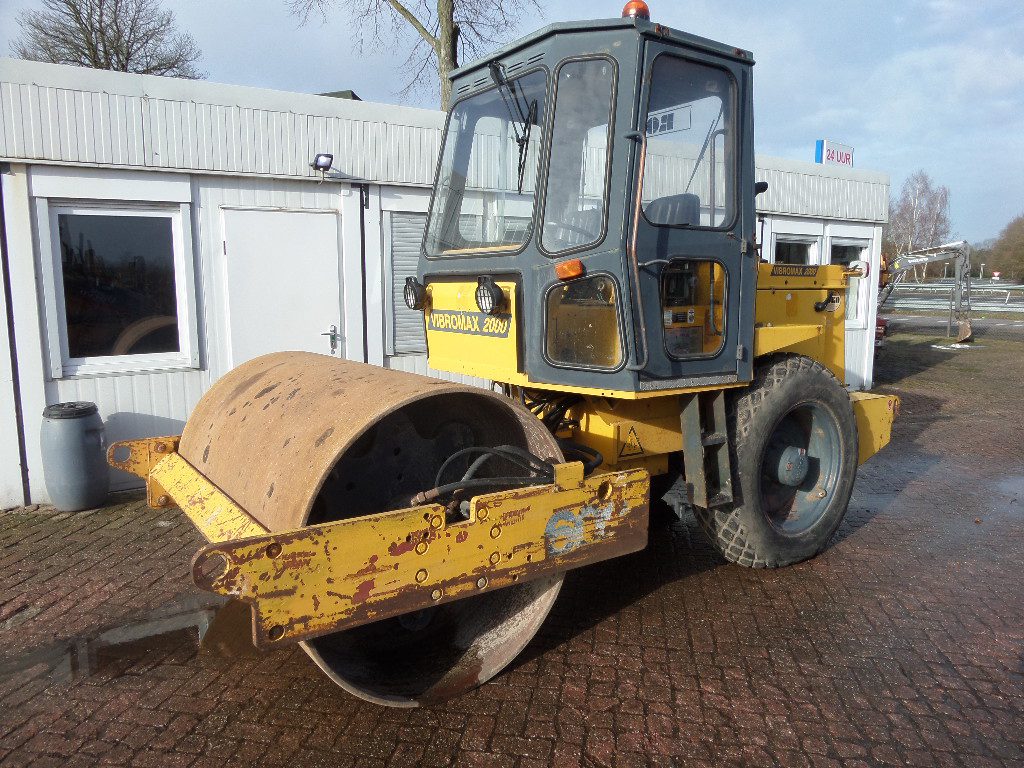
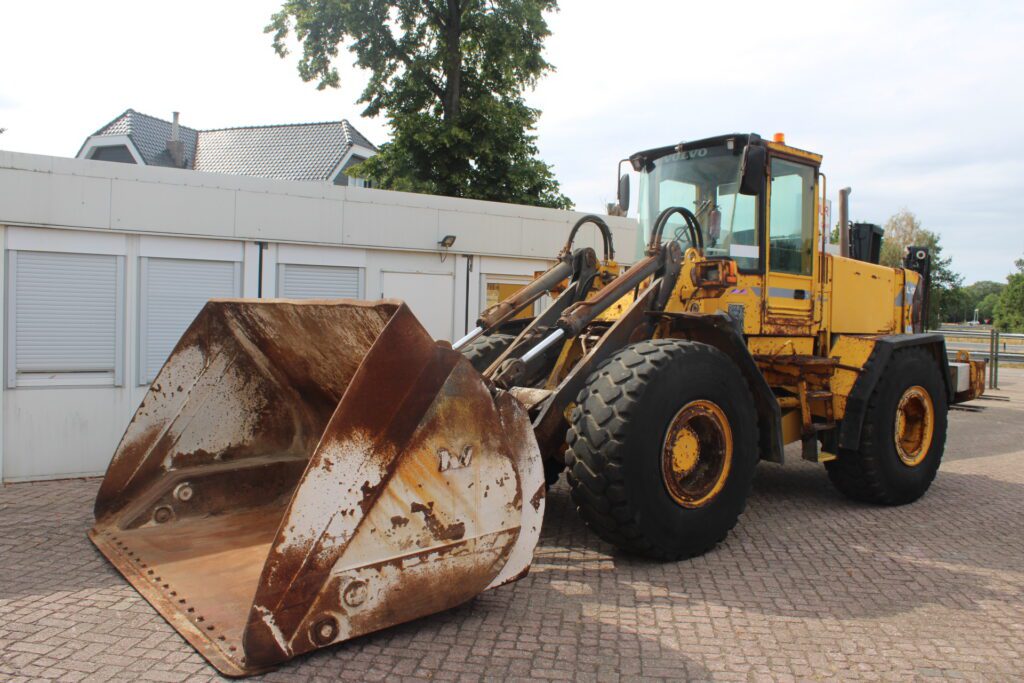
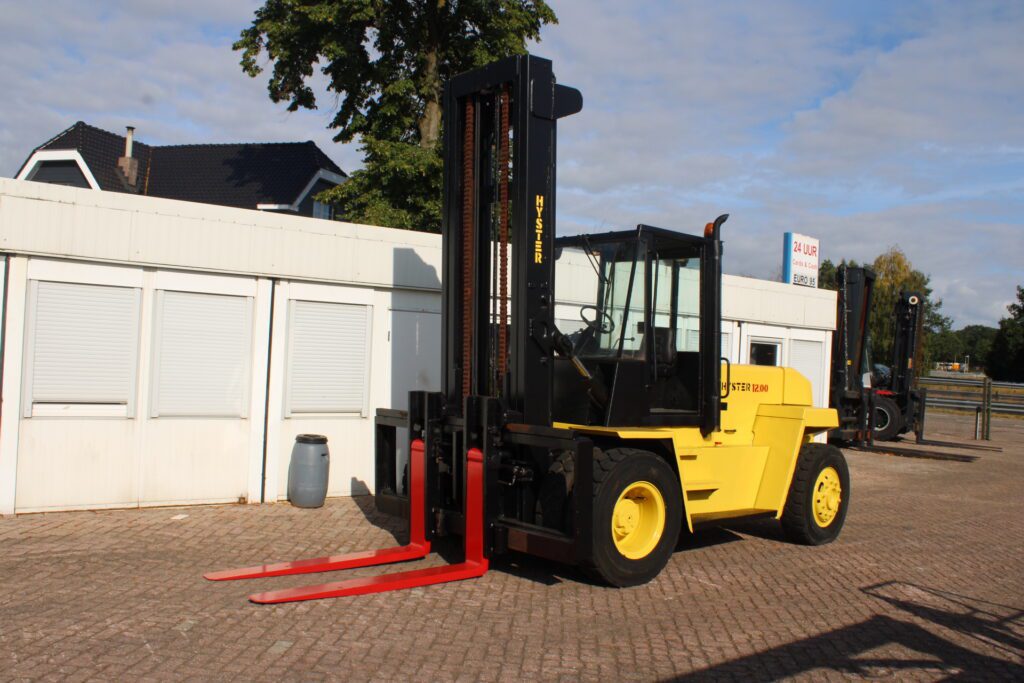
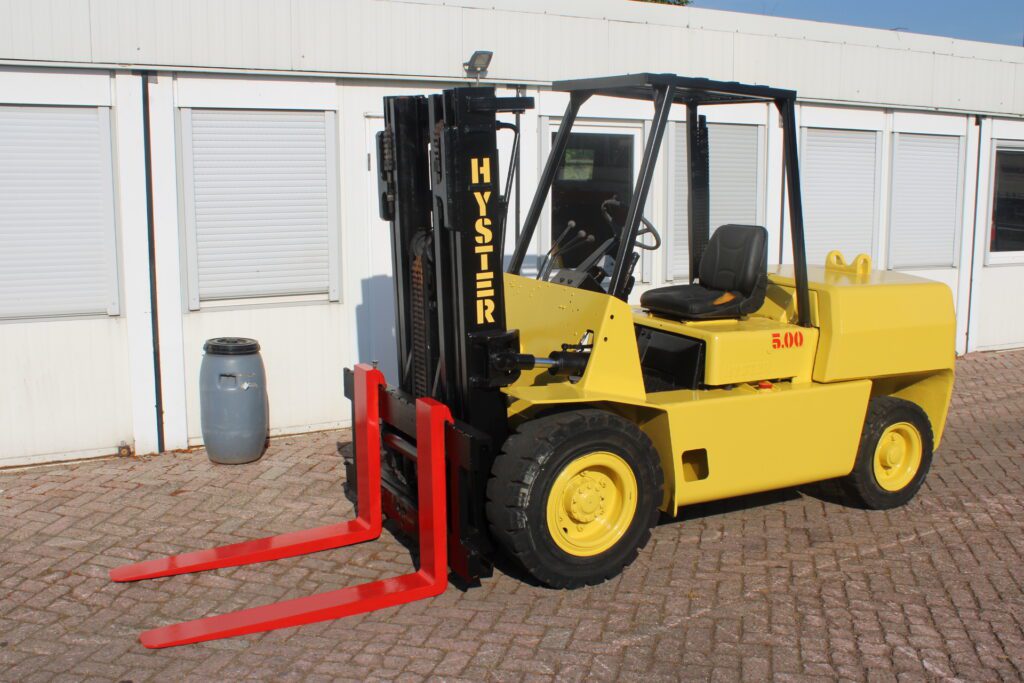
Looking for used road building machinery? Machinehandel Jansen has a wide and varying selection of used road construction machinery for sale, including rollers and asphalt machines. Whether you are looking for a used tire roller, tandem roller or asphalt roller, with over 40 years of experience and worldwide delivery, we will help you find the right machine.
Used road construction machinery: types and applications
Road construction equipment plays a crucial role in the construction and maintenance of roads and infrastructure. For example, a grader is used for leveling and levelling surfaces, while paving machines provide precise paving. Asphalt machines are responsible for applying asphalt layers with precision and durability. Sweepers take care of keeping roads clean, while vibrators are used for compacting soil and asphalt.
Buy second hand rollers
Do you want to build a road or maintain a road, path or other paved surface? Then you need a roller. Rollers (also known as road rollers) can be used to compact the subsurface of roads and construction sites, for example, as well as when leveling roads. There are different types of road rollers, such as tire roller, tandem roller and vibratory roller. Below we explain the different functions and advantages of the machines.
Buy used asphalt rollers
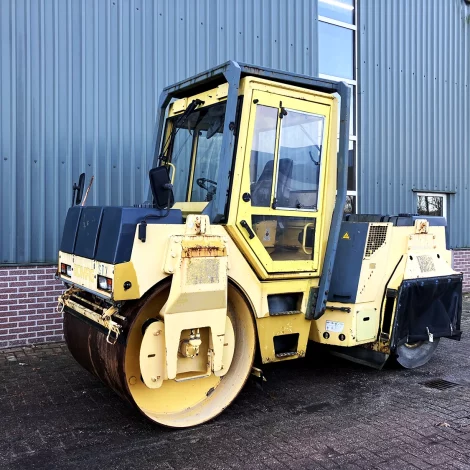
Machinehandel Jansen has several asphalt rolling machines for sale. For example, tendon rollers; This type has two separate drums rotating side by side, making them suitable for asphalt compaction. To create asphalt, a smooth drum works best.
Vibrating rollers: as the name suggests, the drums of this roller vibrate. This makes these types suitable for heavier tasks and deeper compaction. This is optimal for major roads. In this, there is a distinction between single and double vibrating drums.
Tire rollers are often used in road construction, building driveways, parking lots and other construction projects where it is necessary to firmly press the soil or asphalt for stability and durability.
Combination rollers: can have both a vibration function and a rolling function. The vibrations help compact the underlying soil, while the roller provides the final finish.
Machinehandel Jansen specializes in worldwide purchase and sale of new and used earthmoving and road construction machinery.
A wide range of used and new machines can always be found at our location. With over 40 years of experience, we can deliver your the machines to your own requirements. Because of our wide range of products, you can come to us for all types of machines.
What is the difference between a tire roller and a vibratory roller?
The difference is in the mechanisms of action and applications. A tire roller has a heavy cylindrical drum, similar to a large tire, that rolls across the surface. A vibrating roller has a drum equipped with vibrating mechanisms that cause the drum to move back and forth while rolling. These vibrations cause intensive subsurface compaction. These are mainly used in foundation construction.
What is the difference between a tire roller and a tandem roller?
A tandem roller has two adjacent drums located close together. These drums can be either smooth or vibrating, depending on the type of tandem roller. A tire roller has a heavy cylindrical drum covered with rubber tires. These bands provide compaction of the material as they roll over the surface.
At Jansen Machinehandel, we offer a large selection of used rollers, so you can choose based on your specific needs and project requirements.
Some of our brands
At Jansen Machinehandel, we offer a wide range of machines from both renowned and lesser-known brands. Below is a selection of 11 brands available from us.
Frequently Asked Questions
Can you deliver road construction equipment worldwide?
Yes, we deliver road construction equipment worldwide. This can be via road transport, container transport and sea freight.
Can you arrange export documents for road construction machinery?
Yes, we provide the necessary export documents for the road construction machine.
Can I arrange transportation for my road construction equipment myself?
Yes. Then we will make sure the road construction machine is ready for loading or pickup.
What is the difference between a tire roller and a vibratory roller?
A vibratory roller uses vibration and weight to deep pound soil. A tire roller uses heavy pneumatic tires to smooth and seal the ground.
What is the difference between a tire roller and a tandem roller?
A tandem roller has two smooth steel rollers that flatten the asphalt. A tire roller uses rubber pneumatic tires to knead and compact the asphalt.